

A Table
Worthy of Kings
Where Bengal's zamindari culinary tradition meets the ceremony of an intimate table. Dinner here is not a meal — it is a memory composed in spice, flame, and devotion.
"In the great kitchens of Bengal, chefs return always to the source — the grandmothers, the zamindars' cooks, the street vendors who carried centuries of knowledge in their hands."
Dining at Shonar Kothi is an act of remembrance. Our kitchen draws from the culinary archives of Bengal's aristocratic past — recipes that were never written down, only passed from hand to hand, kitchen fire to kitchen fire. We cook with patience, with restraint, and with the absolute conviction that flavour cannot be rushed.
Within walls adorned by art and illuminated by warm ceremonial light, the table at Shonar Kothi becomes an experience of atmosphere as much as flavour. We serve dinner only, by advance reservation. We serve few covers. We serve well.
Recipes from
Another Time
Our kitchen draws from the culinary archives of Bengal's aristocratic past — recipes assembled over years of research, memory, and conversation with the last custodians of the zamindari household tradition.
We source from the markets Bengal's aristocracy once patronised — Gariahat for fresh produce, New Market for spice, and the river for the fish that is the soul of this cuisine. We do not modernise. We do not fuse. We listen to the recipe, and we cook it with the patience it has always required.
Mustard — the Essential Note
Kasundi, shorshe, tel — in every form, mustard is the defining flavour of Bengal. Ours is stone-ground, never jarred.
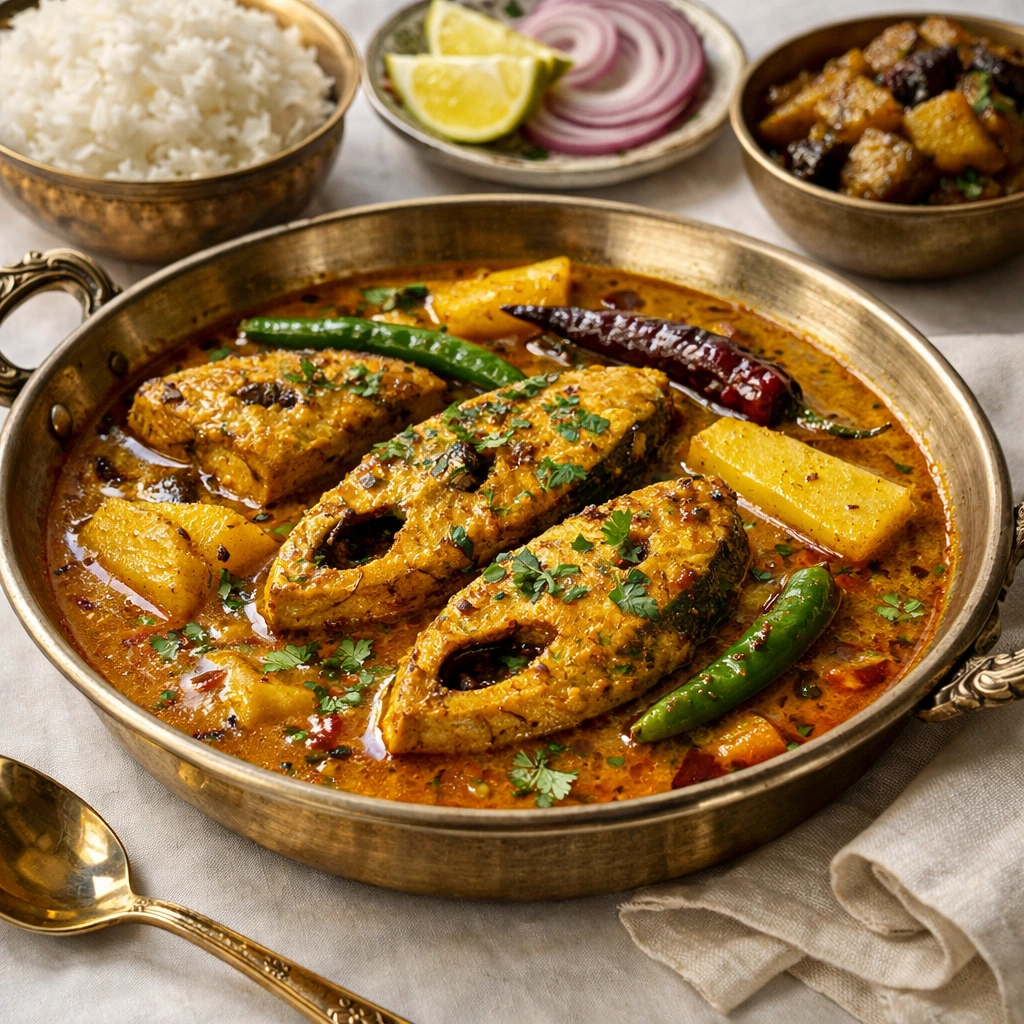
Hilsa — the Sacred Fish
When in season, Ilish from the Padma and Hooghly rivers takes the centre of our table.
Panch Phoron — Five Tempers
The five-spice blend that opens every dish — fenugreek, nigella, cumin, mustard, fennel.
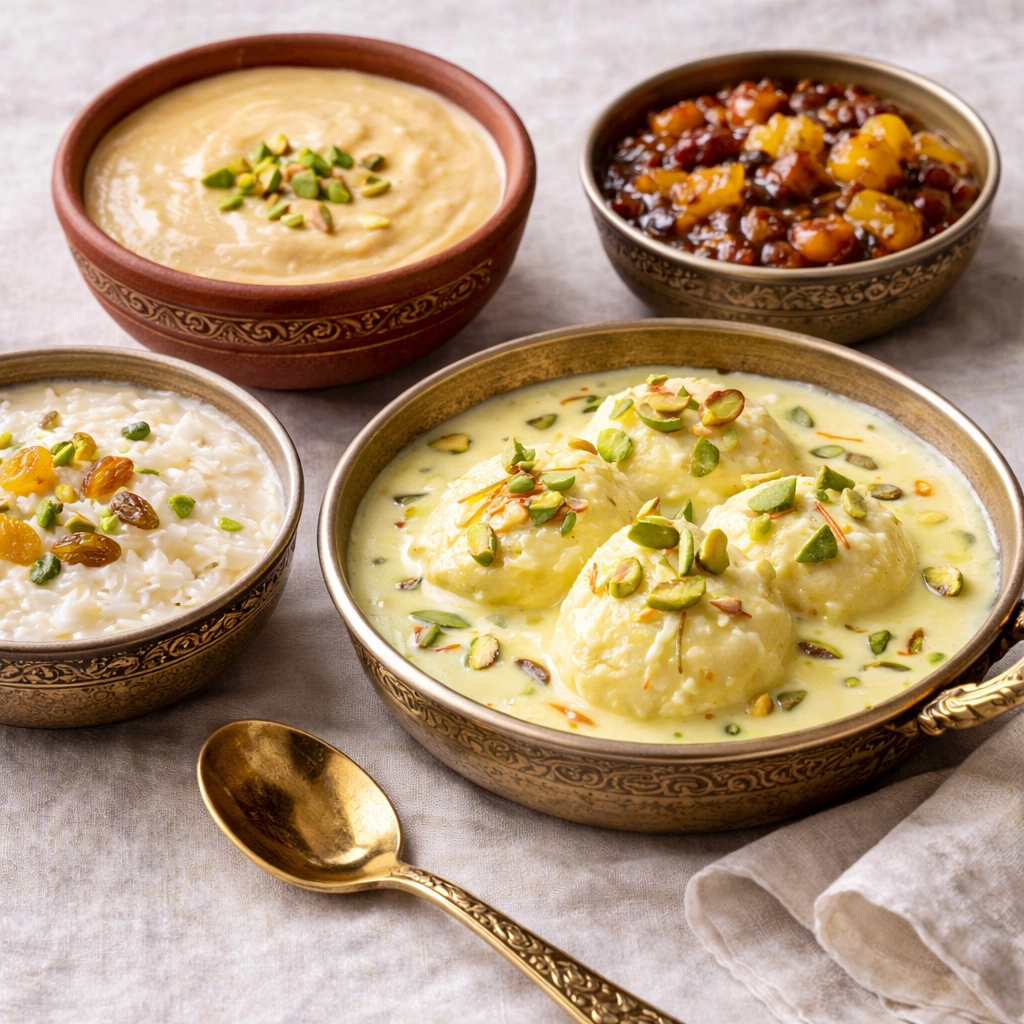
Mishti — the Sweet Tradition
No Bengali table ends without sweetness. Our desserts draw from the chhana tradition — made here, each morning.

Keeper of
Living Recipes
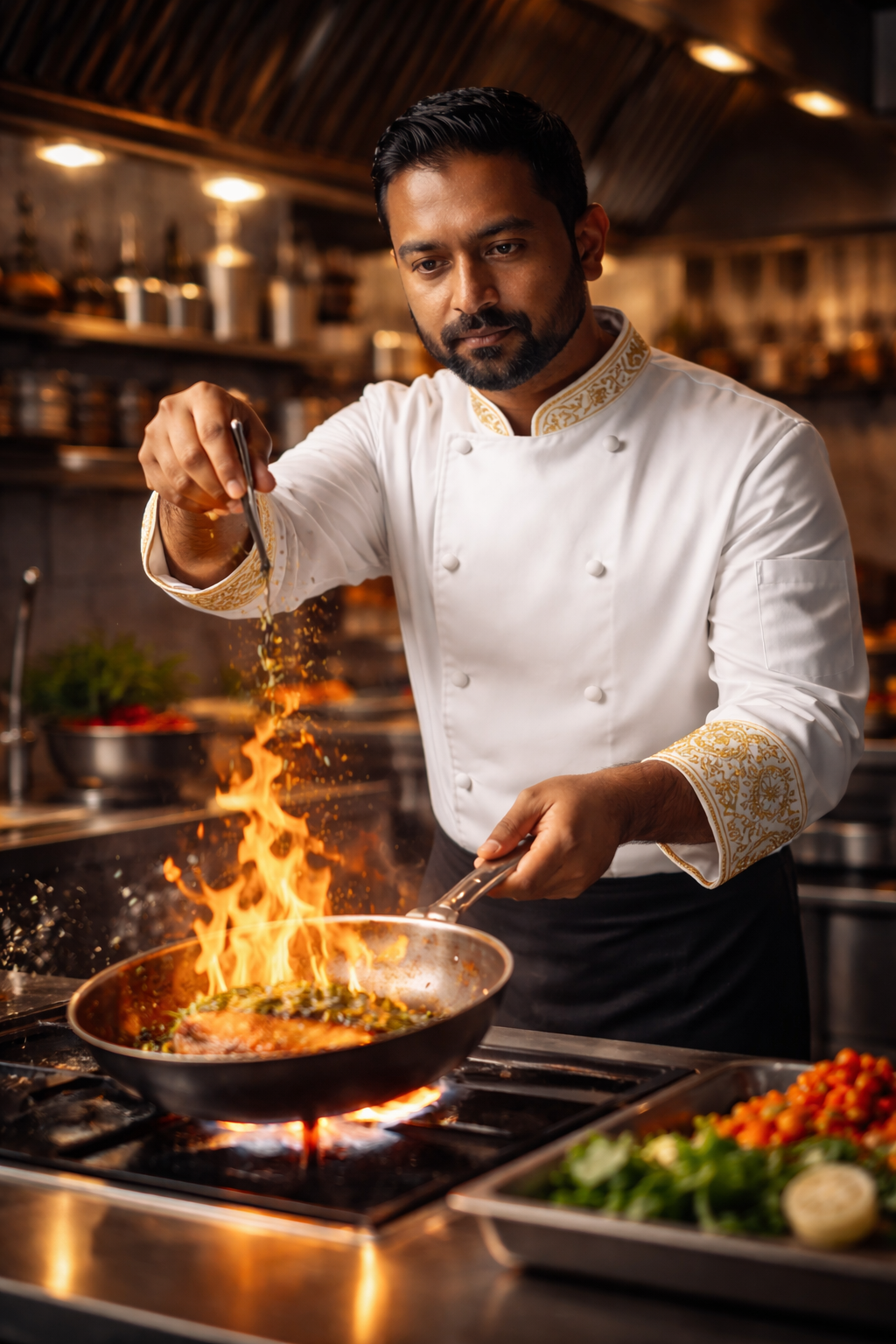
Our head chef came to Shonar Kothi not through a hotel school or a Michelin kitchen, but through the homes of Kolkata's oldest families — families who still cook the way Bengal's zamindari households cooked, with slow fire, hand-pounded spice, and an absolute refusal to take a shortcut.
"The recipe is not a formula. It is a conversation between the cook and the ingredients — one that takes years to learn to hear."
Trained under three generations of a single Kolkata household whose matriarch once cooked for the city's last great zamindars, our chef spent over a decade assembling what might otherwise have been lost entirely.
Trained in Kolkata's Private Kitchens
Over a decade spent learning from the last custodians of the zamindari culinary tradition.
A Researcher as much as a Cook
Over sixty recipes documented that exist in no published form.
The Philosophy of Non-Interference
No fusion. No modernisation. Only patient, faithful execution.
Seasonal and Market-Led, Always
The morning market decides what is served in the evening.
Dining
Formats
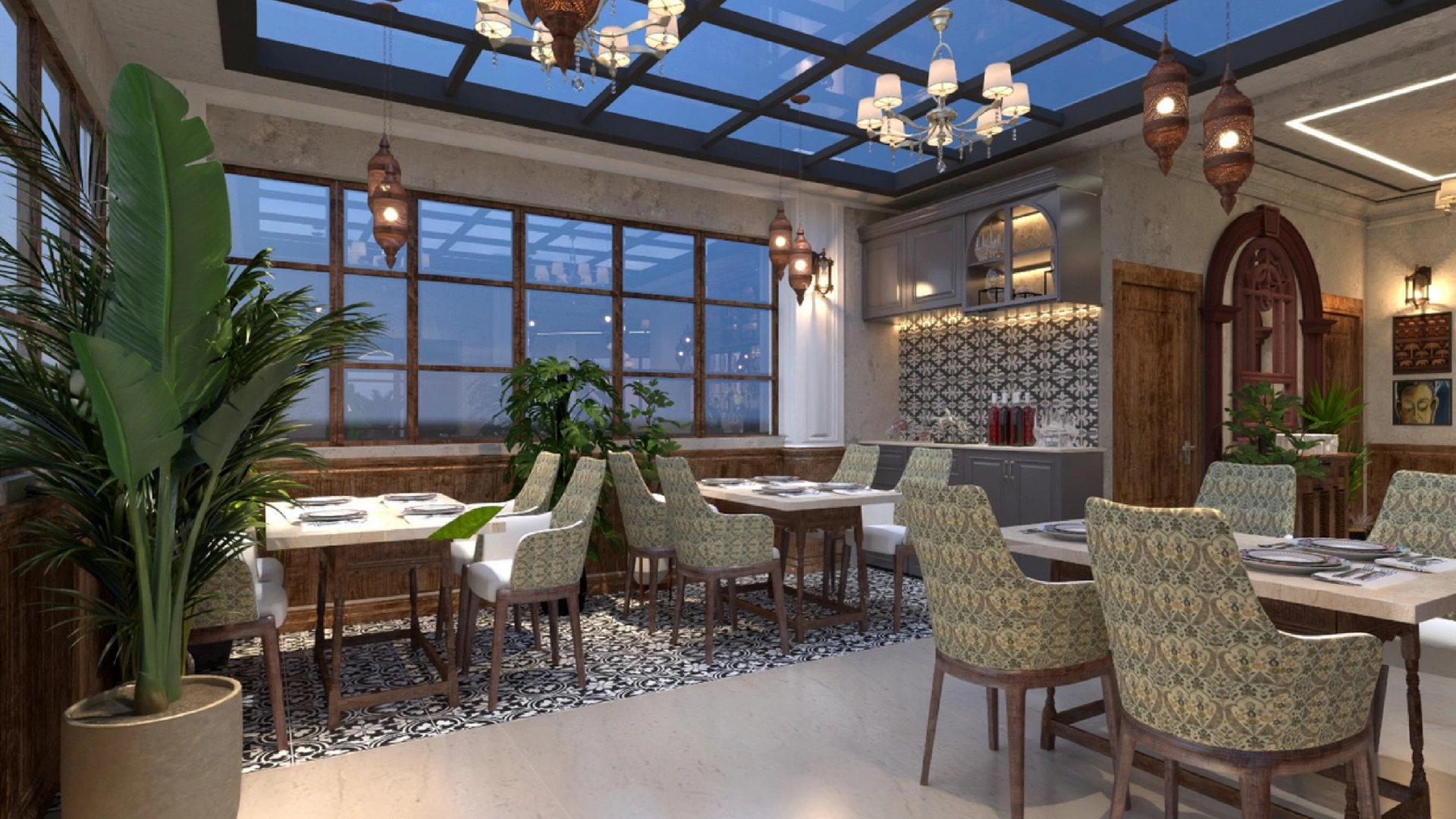
Our primary table — intimate, ceremonial, at the heart of the home, by reservation only.
Reserve →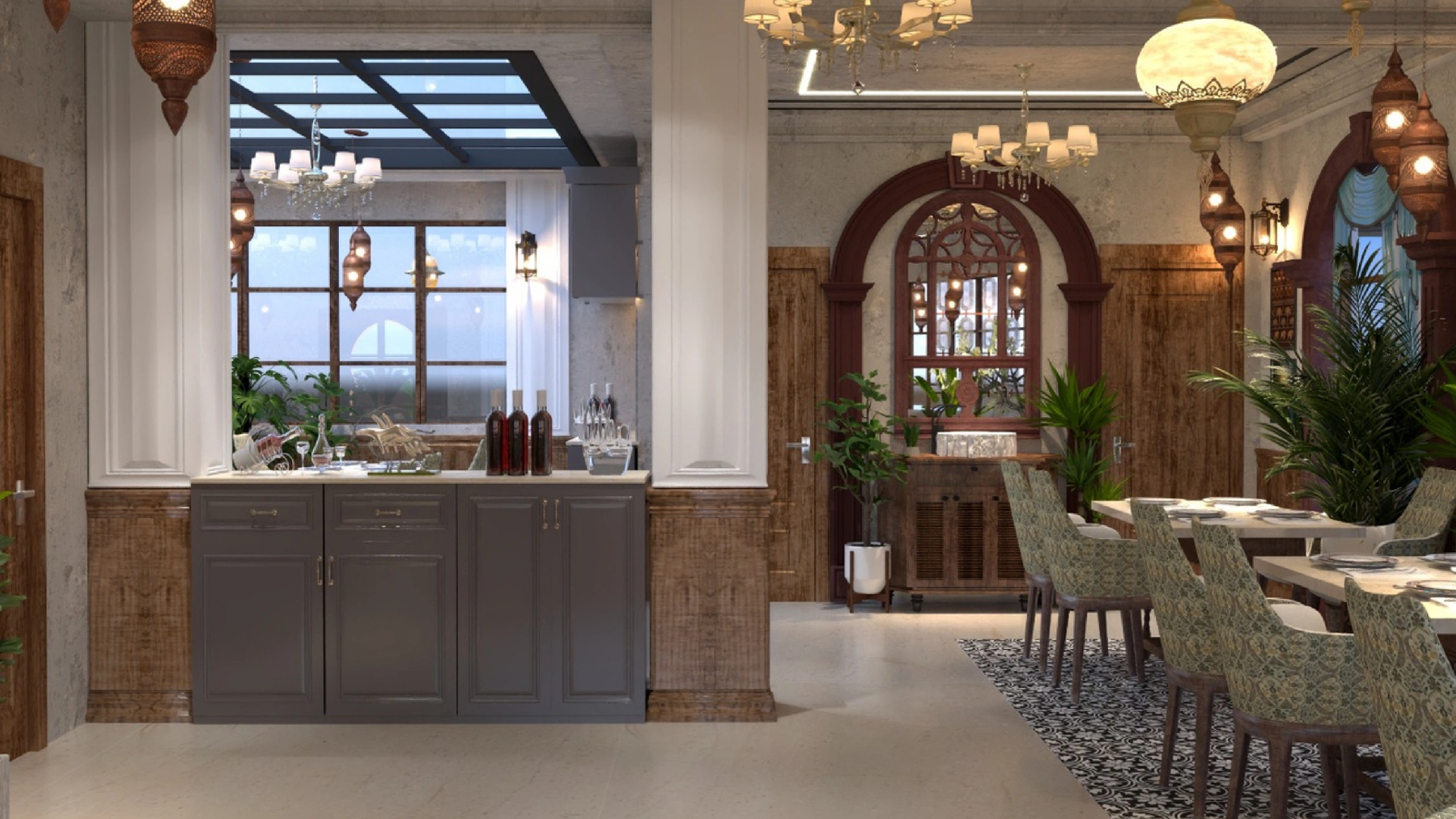
The entire dining space, yours alone — for private occasions, with a personalised spread.
Enquire →
For our guests — breakfast in-suite, evening dishes to your door.
View Suites →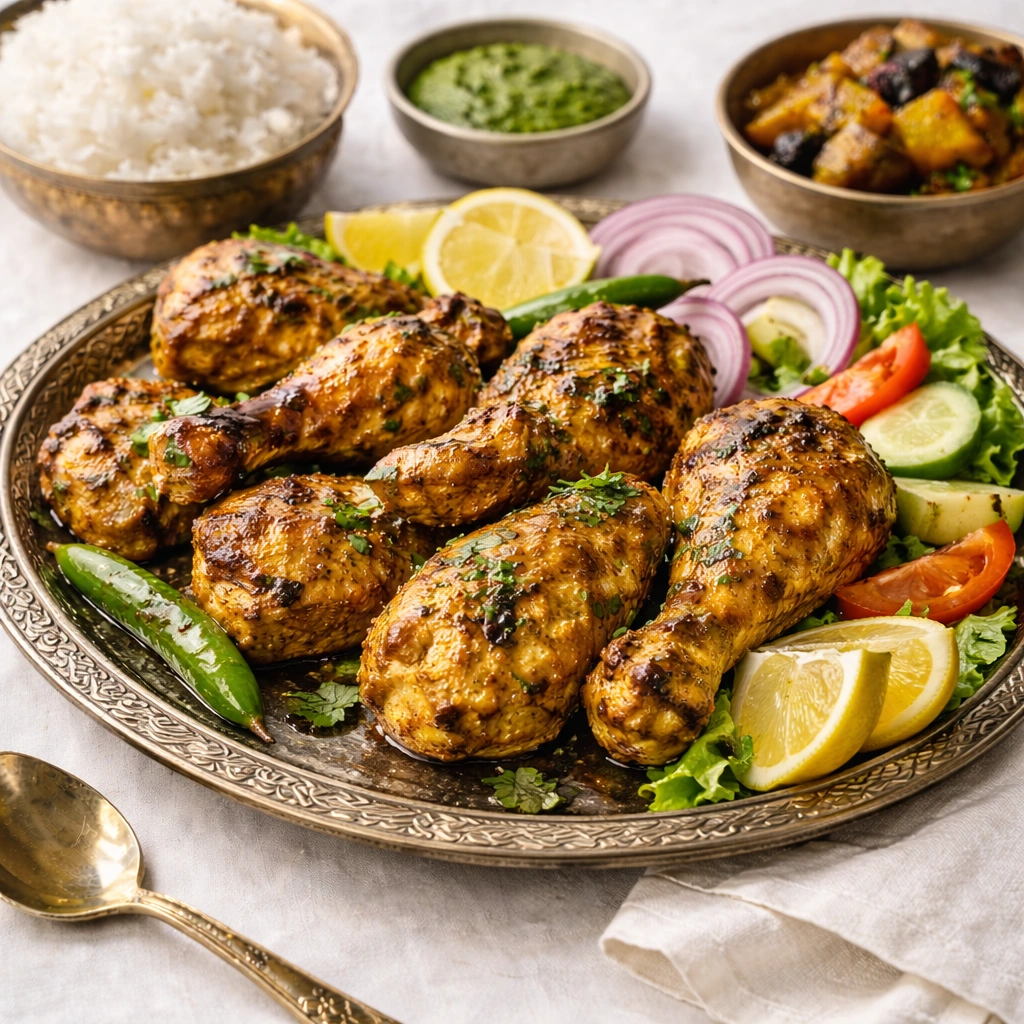
Returning to
the Source
"The greatest Bengali dishes were never written down. They lived in the hands of the women who made them."
Our chef spent years in the homes of Kolkata's oldest families — families who still maintain the cooking traditions of the zamindari era.
We do not modernise. We do not fuse. We do not deconstruct. We listen to the recipe, and we cook it with the patience it has always required.
Refined Dining,
From Dawn to Dusk
Culinary service commences at 8:00 AM with an elegant breakfast and continues seamlessly through to dinner. Advance reservations are kindly requested.
Your table has been requested.
We will confirm within 24 hours. We look forward to composing the evening for you.
— The Shonar Kothi Hospitality Desk
For private events or last-minute availability,
contact us directly: info@shonarkothi.com